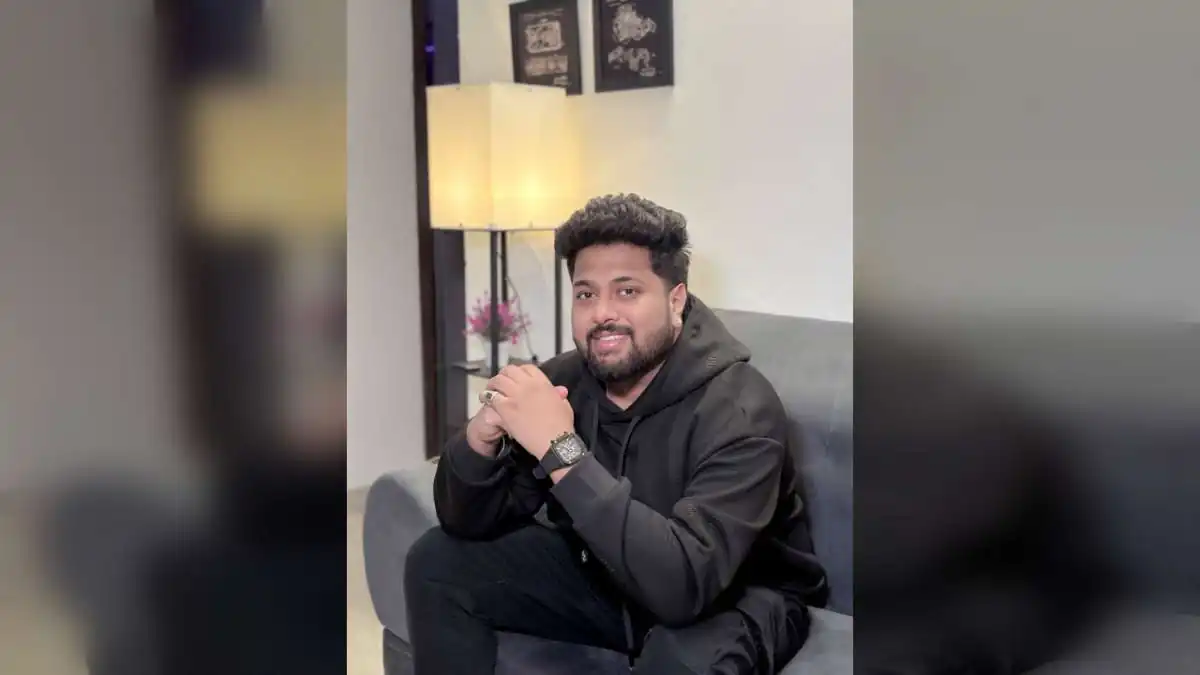
In a candid conversation, Ankiie reflected on the mentors who shaped his musical foundation. “I have had multiple mentors throughout my journey. I would especially credit Anand Sharma, from whom I learned guitar. He inspired me and taught me how to remain calm and composed through music. Rajender Ji also played a major role in shaping my understanding of music production and guiding me at an early stage,” he shared.
Music occupies a deeply personal space in Ankiie’s life. “Music has been the best part of my life and my safe space. Whether I am happy, sad, excited, lonely, or angry, music has always helped me experience and process those emotions. Even when I need to calm down, music is what I turn to. Honestly, I don’t know how to do anything else apart from music,” he said with conviction.
The composer acknowledged the competitive landscape of contemporary music. “There is simply too much music available today, making it difficult to build an audience and stand out. Social media has also reduced people’s attention spans. Creating a three- or four-minute song takes immense effort, but listeners often decide within a few seconds whether they like it or not,” he observed.
Ankiie finds equal joy in composing and lyricism. “As a composer and lyricist, I enjoy both processes equally because when I write, I compose, and when I compose, I write. The two naturally complement each other. However, writing holds a special place in my heart because even the most beautiful melody cannot do much without words,” he explained.
One of the most important lessons from his career so far has been embracing emotions fully. “I later realised that the more honestly you feel and express your emotions, the more deeply your music connects with people,” he noted. Music served as his constant companion and eventually became his life’s purpose.
Ankiie began his musical journey at the age of 17 as a co-composer in Punjab. Through self-study, mentorship, and exploration of Punjabi folk, Bollywood, and international sounds, he has developed a versatile style capable of experimenting with genres such as Afrobeats and Tribal House for Hindi cinema.
On connecting with audiences, Ankiie emphasised impact over numbers. “I believe music should leave an impact. Whether a hundred people listen to my songs or a thousand, what matters to me is that they carry my music with them and remember how it made them feel,” he said. His advice to aspiring musicians is clear: “Speak up much earlier. Socialise with people and overcome your shyness. Stop judging yourself and worrying about what others will think. Eventually, people recognise authenticity. Most importantly, express your emotions honestly and keep creating.”
Addressing the pressures of the digital era, Ankiie admitted that the demand for trending content influences many creators. “Absolutely. Today, many composers first think about what will work on social media. Sometimes, elements are added purely to grab attention, even if they don’t suit the composition. I miss the time when listeners had the patience to absorb complete songs and appreciate timeless music,” he remarked.
Looking ahead, Ankiie aspires to create enduring work. “I want to be the kind of composer who creates timeless music — music that stays with people and leaves a lasting emotional impact, regardless of how many people listen to it,” he concluded.
Ankiie’s journey reflects the challenges and aspirations of a new generation of Indian music composers striving to balance commercial demands with artistic integrity. As he contributes to Welcome To The Jungle, his commitment to emotional honesty and timeless melodies positions him as a promising voice in contemporary film music.